|
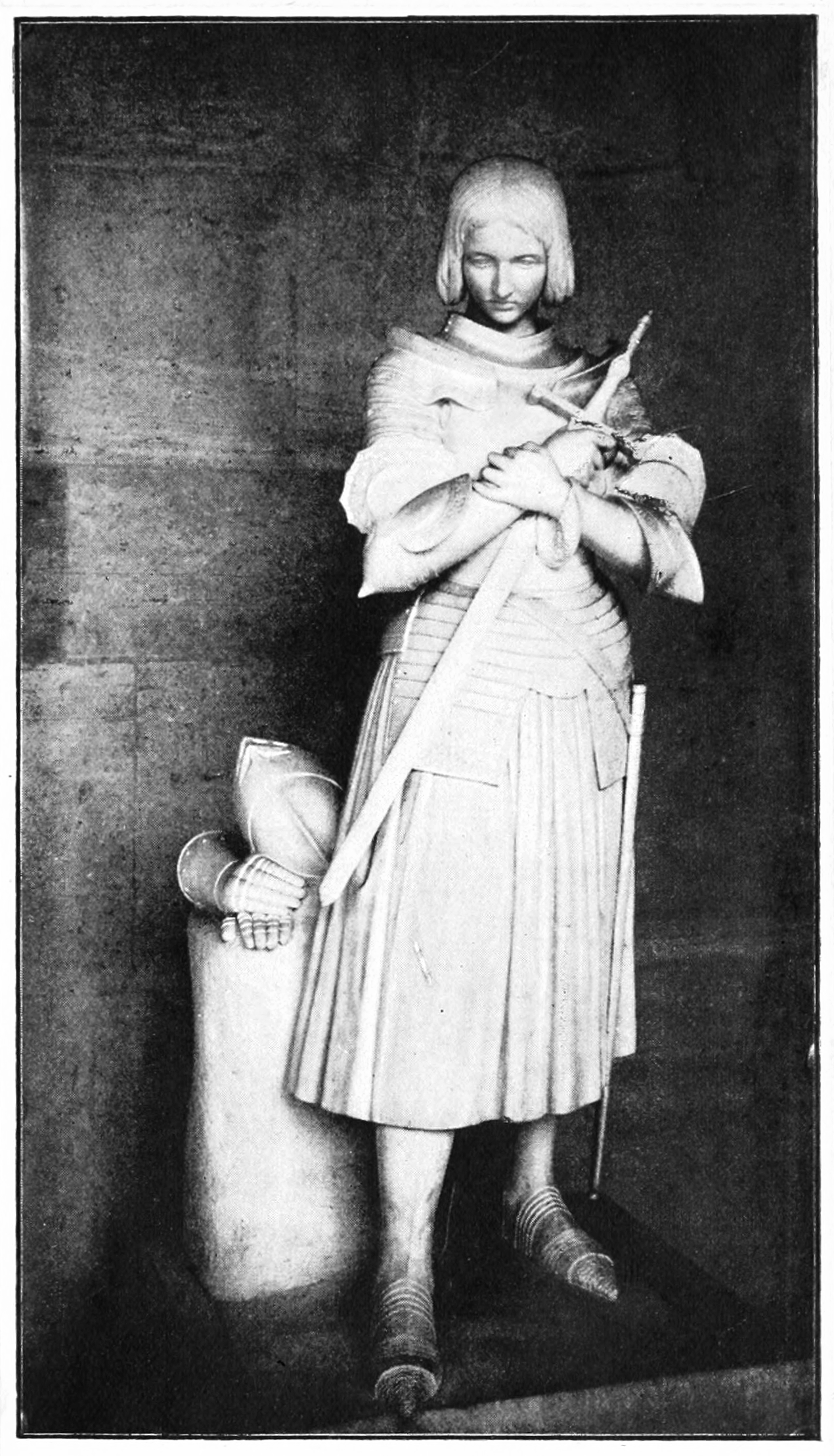
| A sculpture of Saint Clotilde, 12th century |
Daughter of a king, from a race of Teutonic warriors,
Clotilde was given a name which means “famous in battle.” Many traditional
Germanic names reflect the warrior cult of the barbarian tribes: Gertrude –
“spear of strength”; Matilda – “might in battle”; Hildegarde – “fortress”;
Kriemhilde – “battle mask”; Brunhilde – “battle armor”; Adelheid – “nobility.”
Clotilde’s father, Chilperic, was king of Burgundy – an area in what is now
part of France, settled by the Germanic tribe of Burgundi after they received it from
the Romans. It was through the Romans that Christianity was brought into the
area. By Clotilde's birth in 474, the heresy of Arianism was widespread among Germanic peoples, yet Chilperic and his wife Caretena remained faithful Catholics and raised their children in the faith. Clotilde's only sister took religious vows at the convent of St. Victor in Geneva.
In her 18th year, Clotilde became the wife of Clovis I, King of the Franks. The Franks were a Germanic tribe from the lower Rhine area, who, crossing that river, had pushed into Gaul and become allies of the Romans. Because of their contact with the Romans, the Franks were the most educated and literate of the Germanic tribes. St. Gregory of Tours in his history notes that the Frankish kings wore their hair long, flowing over the shoulders. When the Roman Empire collapsed, much of Gaul came under the control of the Franks; and Clovis, becoming a Frankish king in 481, continued to extend his kingdom through the conquest of more territories. The Franks were pagans, but Clovis was on friendly terms with the bishops of northern Gaul and did not see Clotilde's religion as a hindrance to their union. Too, Clotilde's family probably did not think it wise to deny one of the most powerful men of the region his request for their daughter.
 |
| Baptism of Clovis by St. Regimius |

Further reading: Light to the Nations, Part One - chapter 5
Saint Clothilde: The First Christian Queen of France Tells Her Story